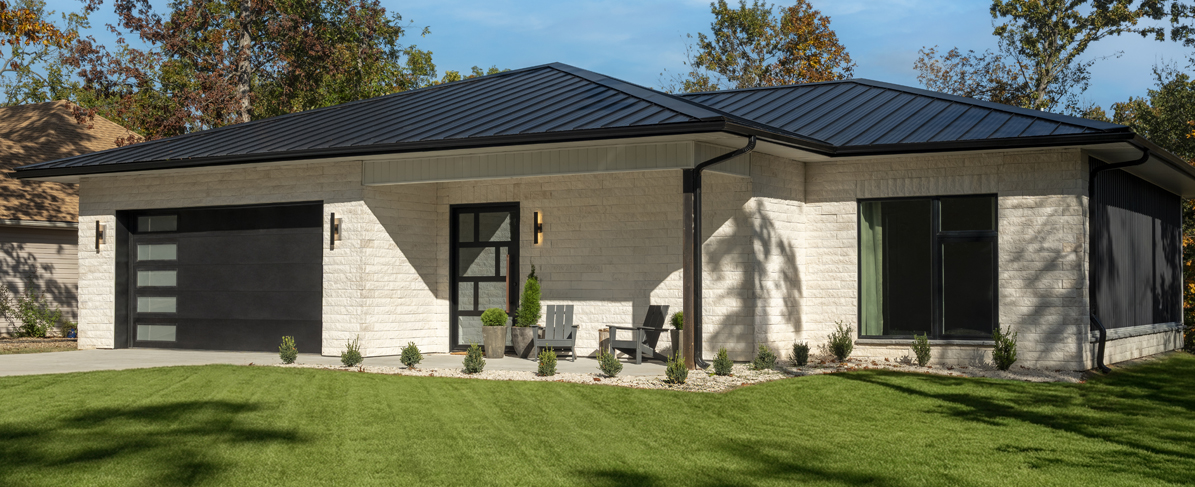
Even though Arkansas is not one of the states typically considered in tornado alley, it is still highly prone to these devastating natural disasters. In 2023 alone, 30 tornadoes hit the state, killing five people. In fact, some researchers and meteorologists refer to the area as “tornado fatality alley” or “Dixie Alley.”
Unlike in the Great Plains states, where tornadoes are most common on late-spring evenings, tornadoes in Arkansas arrive at any time, often overnight. And with thunderstorms and the hilly, tree-covered landscape, conditions in Arkansas can make it harder to spot a tornado before it’s too close to evacuate.
 As tornadoes and other extreme weather events become more intense across North America, taking steps to protect yourself and your loved ones is increasingly important. When building or rebuilding a home, using disaster-resilient construction materials will give the structure the best chance of survival in the face of extreme weather and enable occupants to shelter in place safely.
Insulated Concrete Forms (ICFs) are an especially weather-proof construction method that can be used for houses, commercial buildings and even standalone safe rooms to keep occupants, property and your investment protected.
Here’s how ICF buildings stand up to the high winds of tornadoes.
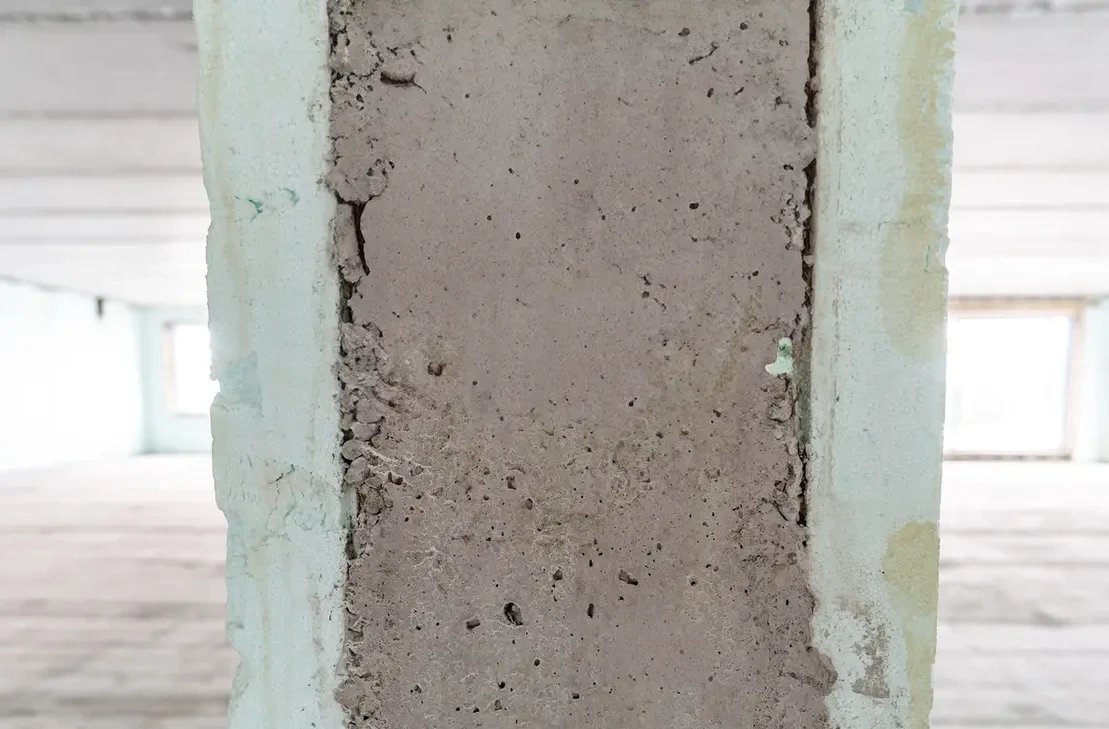
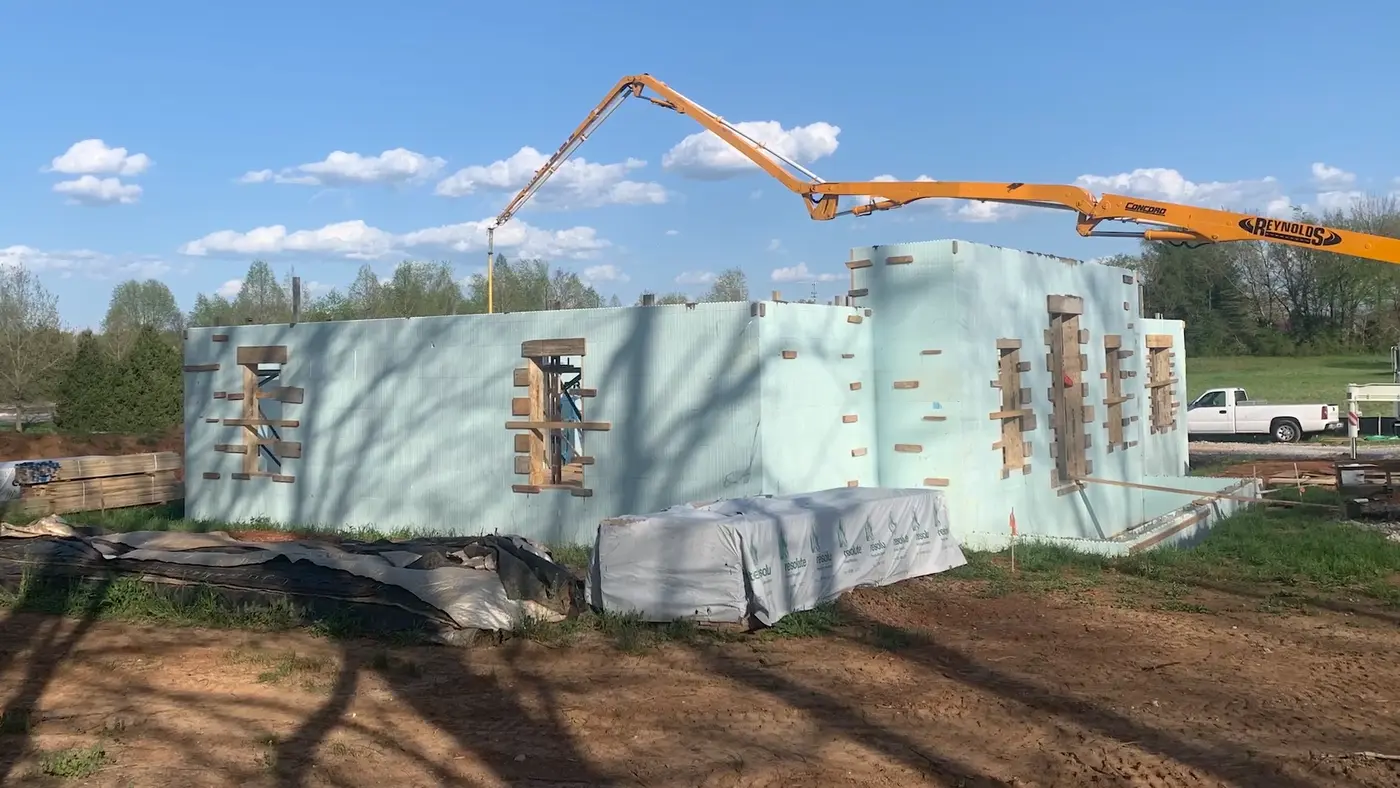
ICFs can be used for below-grade foundation walls and above-grade walls and consist of a steel-reinforced concrete core that’s sandwiched between two continuous layers of expanded polystyrene (EPS) insulation.
The solid concrete and steel reinforcements provide incredible strength from the basement up through the entire height of the wall, making the structure far more durable than conventional wood-framed walls. And the design of ICF walls redistributes the force of a tornado (the sheer force or load) far more evenly through the building.
In fact, Insulated Concrete Forms by Nudura are proven to withstand winds of up to 250 mph (402 kph).
 Impact Resistance
During a tornado, objects can become high-speed projectiles and pass right through regular wood-framed walls. But walls made with ICFs are proven to resist the impact of flying debris. In testing, a wooden 15-pound 2x4 beam propelled at 100 mph (160 kph) left little to no structural damage on the Nudura ICF wall.
The concrete-embedded roof truss/anchor system from Nudura also stands up better to tornado-force winds than traditional wood-framing methods to prevent high wind uplift forces from tearing off the roof. ICFs are also less likely to succumb to some of the less obvious damage of a tornado, such as weakened foundations or water leakage that breeds mold. This means lower maintenance and rework costs and a faster recovery.
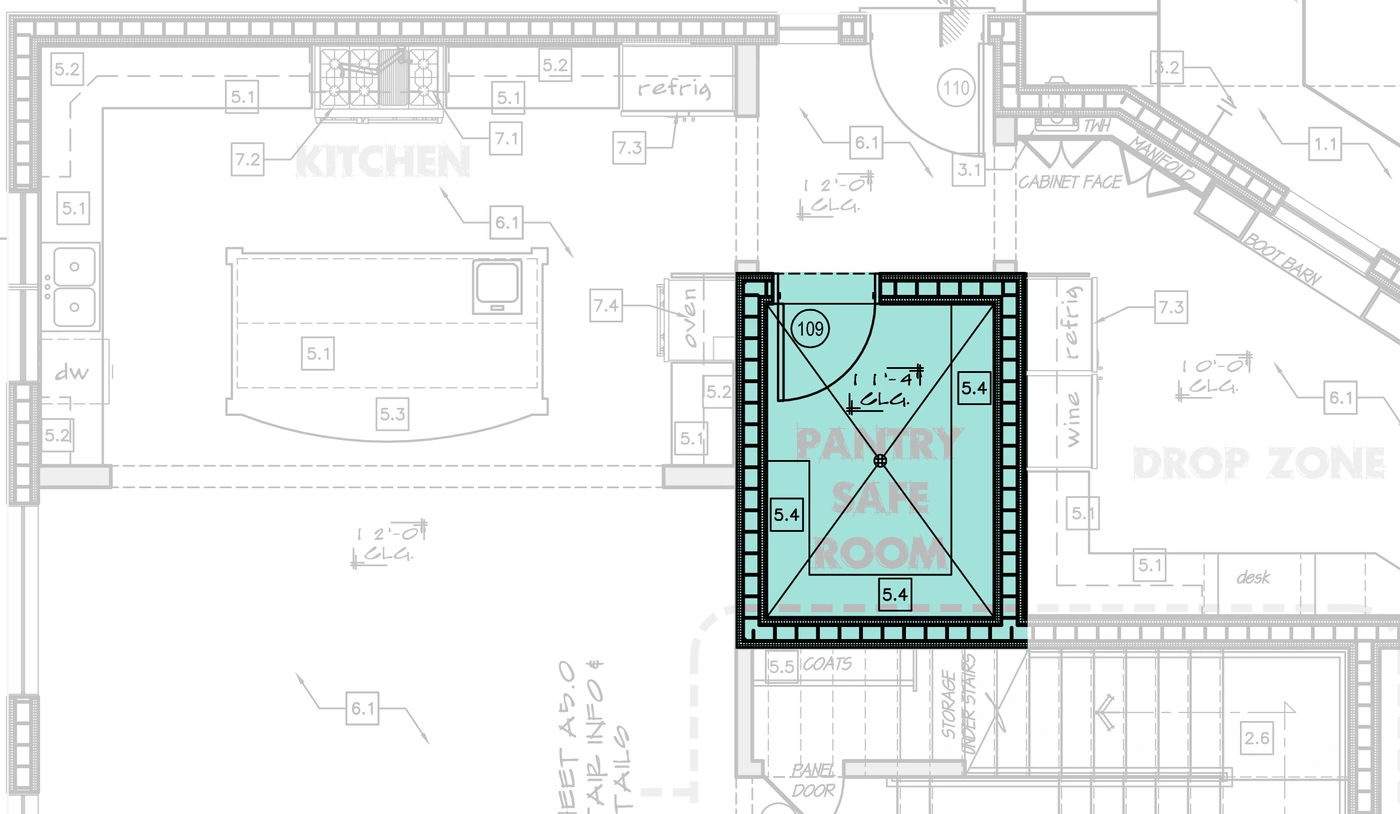
Storm shelters and safe rooms are the next step up in terms of building safety. The Federal Emergency Management Agency (FEMA) sets out building standards for safe rooms which provide “near-absolute protection” against extreme winds.
ICFs make it easy to meet these tough standards since they already have the required impact and wind resistance. Certified safe rooms can be constructed within a building or as a detached structure. In many instances, property owners will create a dual-purpose shed or garage adjacent to their primary residence to function as their safe room in case of an emergency.
If a safe room is not in your plan, know that building a home with Nudura ICFs will still serve a safety advantage during a tornado compared to wood-framed properties.
Tornadoes can be scary for anyone. But in an ICF home you can find some relief from the unsettling noises of the storm through Nudura ICF’s natural ability to dampen sound.
And because of the continuous insulation (CI) and thermal mass of ICF walls, these structures lose minimal heating and cooling throughout the day and night. That means your home will stay at a comfortable temperature for longer, even if the power goes out. This airtight feature also means an ICF home can reduce energy bills by up to 60%.
Tornados, wildfires, droughts and other natural disasters aren’t going anywhere. To minimize risk in the event of hazardous weather in Arkansas and beyond, Insulated Concrete Form construction is a proven method for optimal building protection.
Learn more about how ICFs make homes resilient in the face of disasters or contact a local Nudura representative to see how they can assist your next build.