Disaster Resilient Homes & Buildings

Wall systems built with Nudura® Insulated Concrete Forms are designed to withstand Mother Nature’s worst so your building is more resistant to high winds, flying debris, seismic forces and fire.

Download Disaster Resilience Brochure

Stand the Test of Time With ICFs

Walls built with Insulated Concrete Forms (ICFs) protect structures and their occupants from the threat of tornadoes, hurricanes, earthquakes and severe storms. Nudura ICF wall systems provide impact resistance from wind-blown debris and superior anchorage to resist extreme winds and seismic forces. See how Nudura ICF systems comply with prevailing building and design requirements with rigorous testing.

Wind and Impact
Nudura Insulated Concrete Form walls can withstand winds up to 250 mph (402 kph) and impact from wind-blown debris.
Fire Resistance
ICF framing has a fire protection rating of up to 4 hours compared to wood-framing that has only a 45-minute rating.
Ultimate Protection
Nudura ICFs come in a range of core sizes, providing 4 to 12 inches (10 to 30 cm) of concrete to stand between you and the elements.

Building Design for Earthquakes

In seismic areas, life safety and structural resilience are top priorities. Nudura Insulated Concrete Forms (ICFs) are used to construct highly durable, earthquake resistant buildings that enable structures to meet and exceed stringent building codes, including the International Building Code (IBC), National Building Code of Canada (NBCC) and Eurocode 8. By combining the strength of concrete, energy efficiency of continuous insulation and advanced engineering, Nudura ICFs help minimize structural damage and safeguard lives during seismic events. 

Seismic Zones Map- Canada

Seismic map for Canada.

Seismic Zones Map- United States

US Seismic Map.

Seismic Endurance

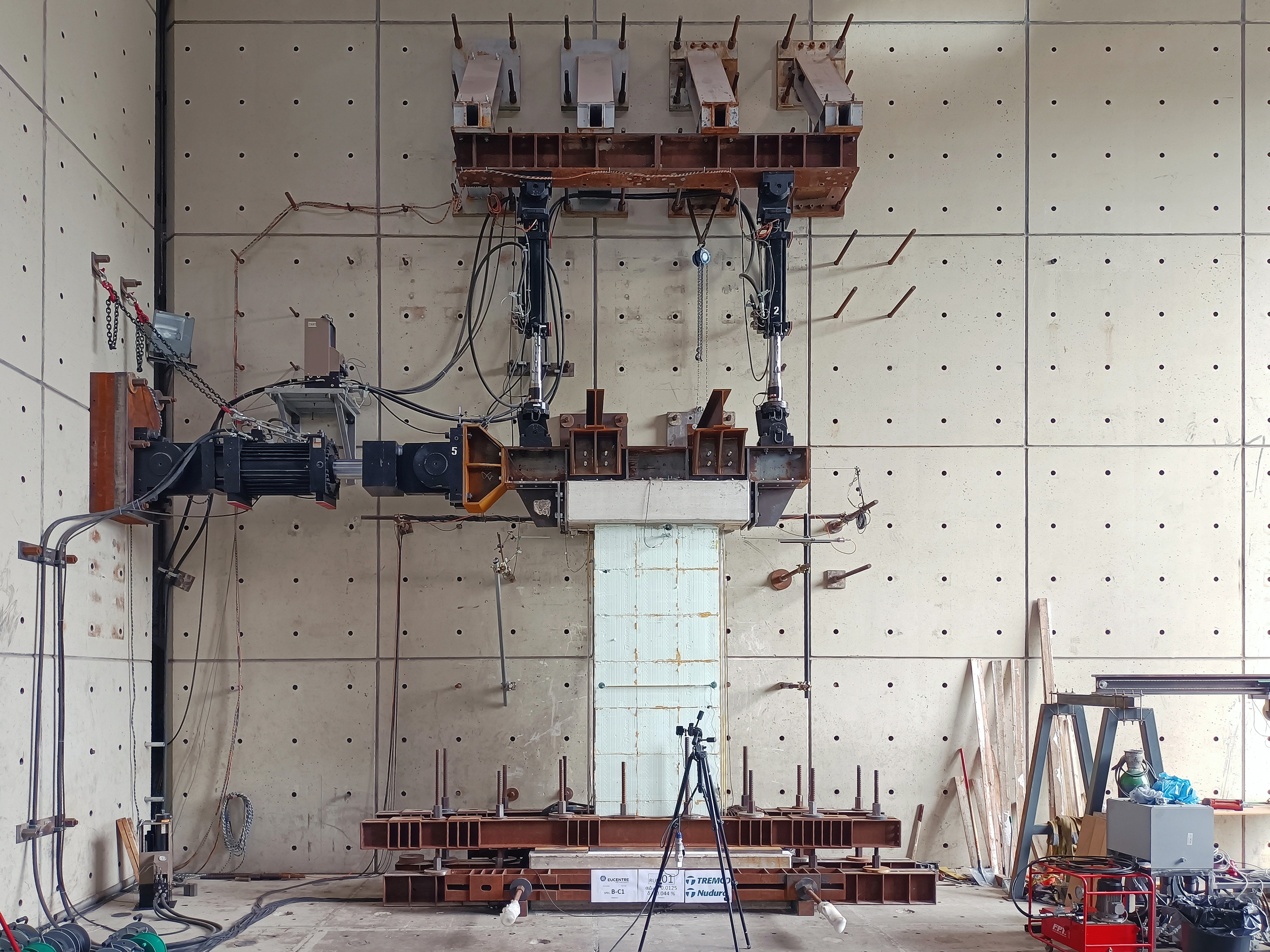
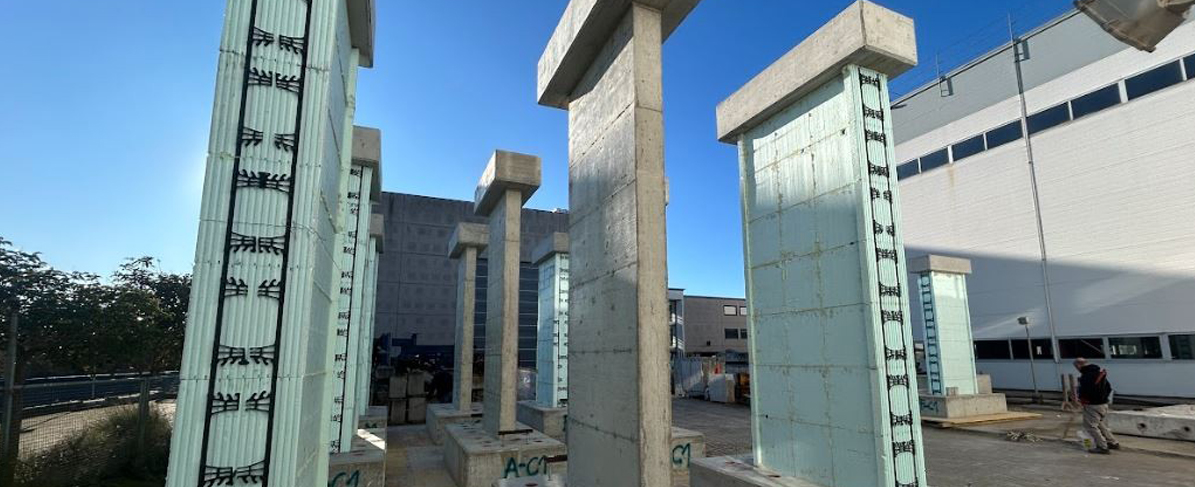
To construct reliable seismic proof buildings, design teams need building materials tested to the highest industry standards. Nudura’s cutting-edge, patent-protected design is fully tested and certified to meet the ASTM E2126 standard. 

This rigorous in-plane shear testing demonstrates our ability to handle severe seismic design requirements. Our ICF walls deliver the ductile performance necessary to withstand both in-plane and out-of-plane seismic loads. This makes Nudura highly applicable for projects requiring Special Reinforced Concrete Shear Walls (SRCSW). 

Seismic testing of ICF wall.


Progressive Collapse Resistance

A comprehensive earthquake proof building design must account for secondary structural failures. Nudura ICF walls are engineered to endure and resist progressive collapse. Our concrete forms comply with established safety criteria, including Department of Defense (DoD) standards UFC 4-010-01 and UFC 4-023-03 and EN 1991-1-7 (Eurocode 1: Accidental Actions), ensuring that multi-story structures maintain their integrity and remain standing when it matters most. 

Map of US and Canada weather and climate disasters in 2024.

Costs Associated with Natural Disasters

As natural disasters grow more frequent, the threat of weather damage moves even closer to home. This map shows the financial costs of just some of the natural disasters that occurred in the US and Canada in 2024. Aside from the economic impact, dangerous weather conditions also put human lives at risk.

Benefits of a Disaster-Proof Home

Nudura ICF Safe Room

According to FEMA, having a safe room can provide "near-absolute protection" from injury or death caused by extreme winds. You can achieve this safety feature by building a safe room, storm shelter or entire structure with Insulated Concrete Forms and Nudura Deck.

Learn More About ICF Safe Rooms

Frequently Asked Questions (FAQs)

Nudura ICF walls are rated to withstand winds up to 250 mph and flying debris impacts up to 100 mph, validated through debris impact testing at Texas Tech University per FEMA 320/361 and ICC-500 guidelines. Their reinforced concrete core makes them a go-to choice for safe rooms, storm shelters, and tornado-prone construction. Learn more about how ICFs protect buildings from tornadoes.

Nudura offers Preventol-treated ICF options** with termite-resistant treatment built directly into the foam during manufacturing. Builders typically pair treated forms with proper grading, termite shields, and soil treatment as part of a complete pest-management strategy. **Preventol-treated ICF options are available in the USA only.

Nudura ICF homes can withstand winds up to 250 mph and debris impacts up to 100 mph. The reinforced concrete wall resists the wind loads and windborne debris responsible for most hurricane structural damage, while the system's moisture resilience adds further protection against storm-related water intrusion. Learn more about how ICFs protect buildings from hurricanes.

The solid concrete core of Nudura ICF walls typically survives wind, impact and flood events intact, limiting damage to interior finishes. That means crews often only need to replace drywall rather than rebuild entire wall systems, cutting both cost and construction time significantly.

Nudura ICF walls are engineered and tested to withstand winds up to 250 mph and debris impacts up to 100 mph per FEMA 320/361 and ICC-500 standards, making them a proven choice for community safe rooms, critical infrastructure and extreme-wind-zone construction.

Nudura ICF walls deliver nearly 60% greater energy efficiency than wood-framed construction and a 4-hour fire rating — reducing operating costs and strengthening life-safety performance. Their structural resilience against severe weather also makes them a sound choice for schools that need dependable protection alongside lower utility costs. Learn more about building safer, more sustainable schools with ICFs.

Nudura ICF walls are tested to resist winds up to 250 mph and debris impacts up to 100 mph per FEMA 320/361 and ICC-500 standards. Key performance attributes: 

  • Solid concrete core resists failure under extreme wind pressure 
  • Impact-tested against high-velocity flying debris 
  • 4-hour fire rating provides an additional layer of life-safety protection 

Nudura ICF walls combine wind resistance up to 250 mph, debris impact resistance up to 100 mph, and hydrophobic EPS foam in one assembly — making them well suited to coastal environments where wind-driven storms and long-term moisture exposure are ongoing concerns. Learn more about ICF hurricane resistance in coastal zones.

Nudura ICF walls have been impact-tested at Texas Tech University under FEMA 320/361 and ICC-500 protocols, demonstrating the ability to withstand flying debris impacts up to 100 mph with the concrete core remaining intact.

Nudura ICF walls carry a 4-hour fire rating and a non-combustible concrete core that does not fuel a fire or compromise structural integrity during exposure. This makes them a strong option for homes and commercial buildings in high-risk wildfire regions. Learn more about designing and building a fire-resistant structure with Nudura ICFs.

Nudura ICF systems can be designed to meet applicable seismic code requirements when properly engineered. Rebar sizing, spacing, and connection detailing must be verified against local seismic design category requirements and reviewed by a licensed structural engineer. Learn more about Nudura’s global approach to earthquake resistant construction.